


Awesome product for all your ouchies!


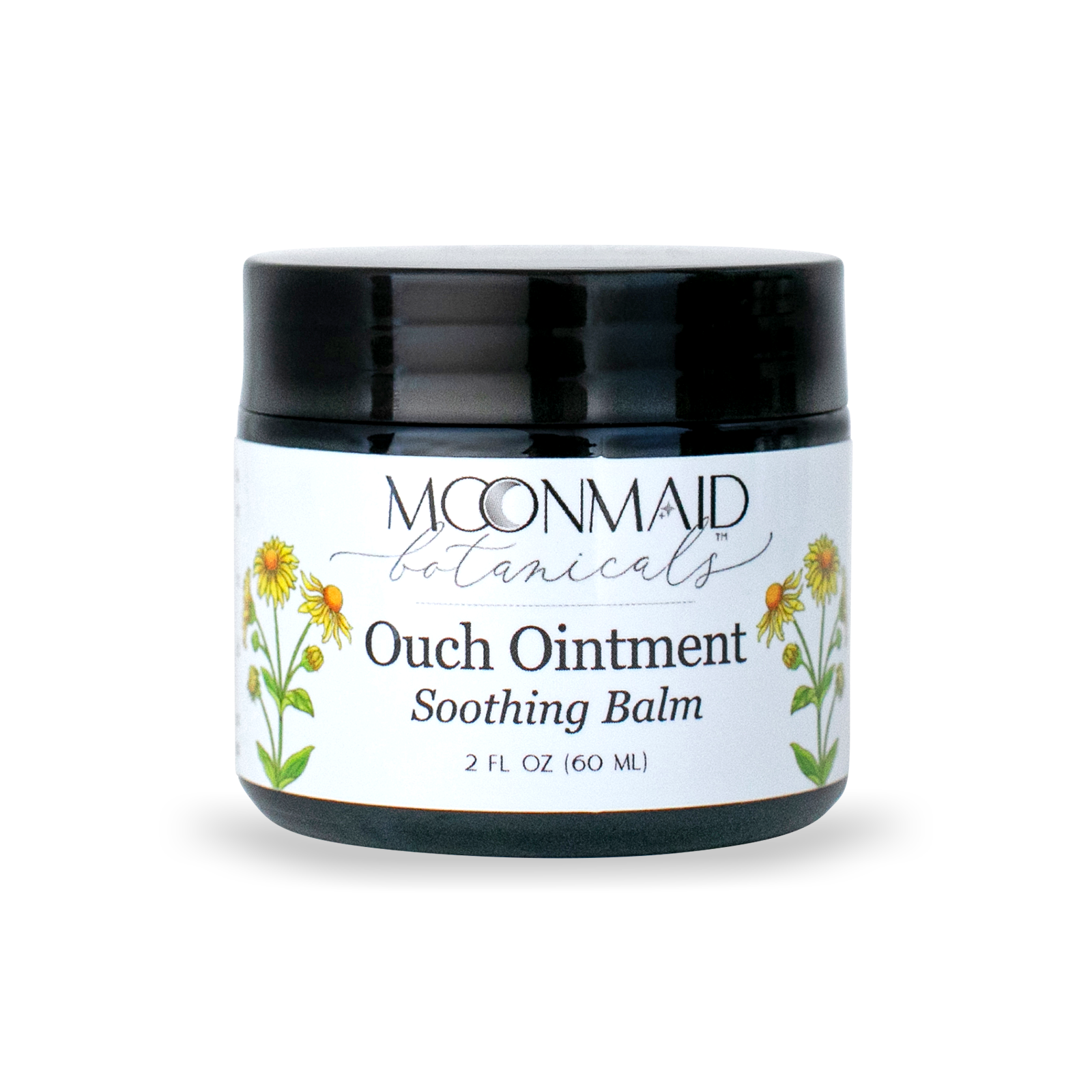
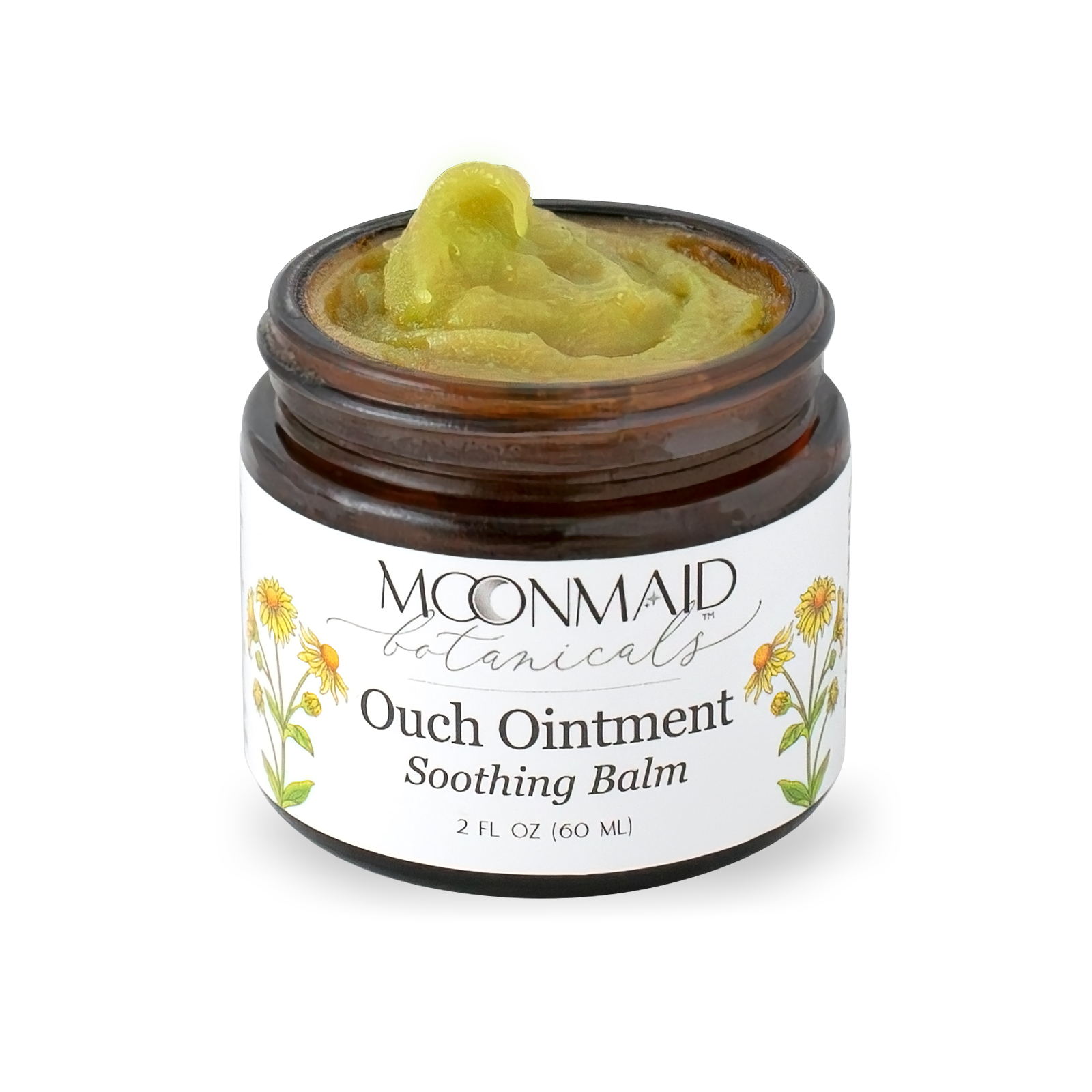
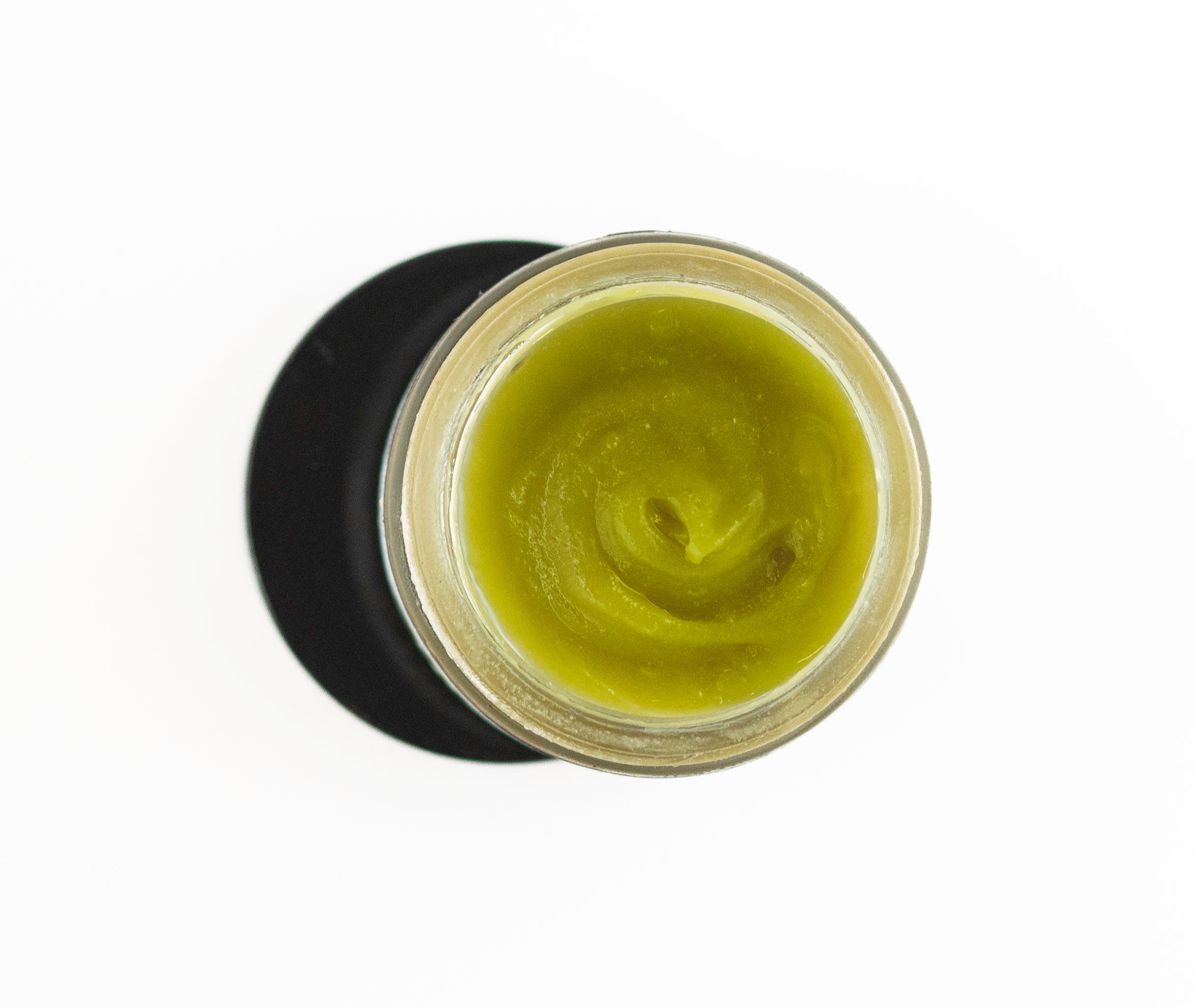
When your skin needs help fast, Ouch Ointment is the herbal first-aid comfrey salve you’ll want in your home, backpack, diaper bag, car, tool shed, or garden kit.
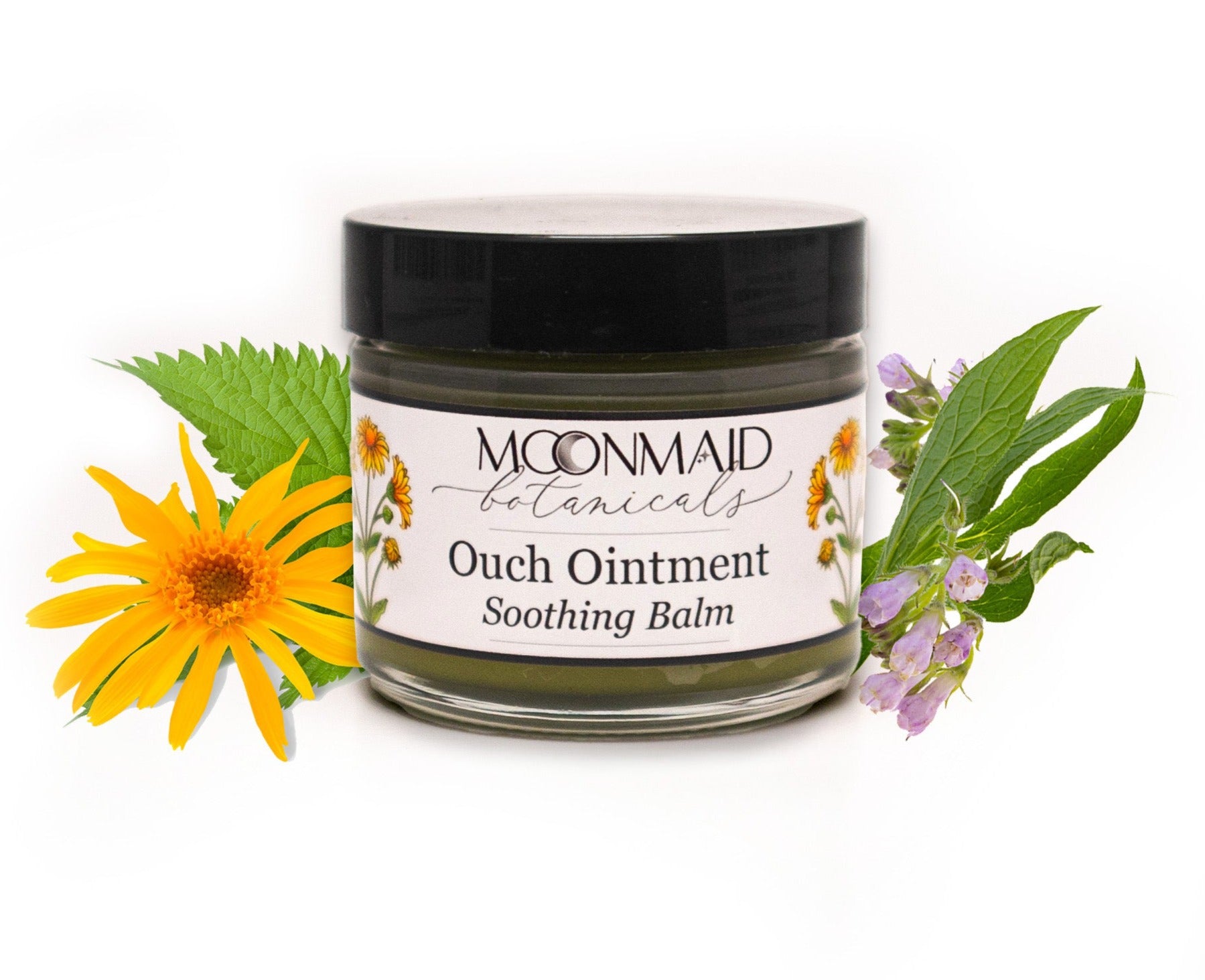
Made with slow-infused comfrey leaf, calendula, arnica, St. John’s Wort, blue chamomile, and organic olive oil, it supports the skin’s natural healing process without petroleum, synthetic antibiotics, or harsh chemicals.
Most commercial comfrey products use Symphytum officinale, a variety higher in pyrrolizidine alkaloids (PAs), which causes confusion and unnecessary safety concerns. MoonMaid uses Symphytum tuberosum (Tuberous Comfrey) — a naturally low-PA variety that offers the same traditional skin-supporting benefits comfrey is known for, with better peace of mind for topical use.
Historically called “knitbone,” comfrey has long been used to support healthy tissue and calm irritated skin. Tuberous comfrey keeps this tradition alive with a gentler chemical profile, making it an ideal choice for minor cuts, scrapes, bruises, and tender spots.
Instead of petroleum, parabens, and synthetic antibiotics, Ouch Ointment relies on time-tested herbs to soothe, nourish, and protect the skin. The result is a clean, handcrafted formula that helps your skin repair, breathe, and thrive — safe for the whole family and free of synthetic or petroleum-based ingredients.
Ingredients: Calendula (Calendula officinalis)*, Comfrey Leaf (Symphytum tuberosum)*, Arnica (Arnica montana)*, Infused Extra Virgin Olive Oil*, St. John’s Wort Oil*, Beeswax, Palmarosa Oil*, Blue Chamomile Oil*, Vitamin E (Non-GMO)*, Rosemary CO₂*
* = Certified Organic Ingredient
- Ships within 1-2 business days.
- Ships in our fully recyclable and biodegradable signature boxes.
Couldn't load pickup availability
Click any ingredient to see more details. (*) indicates organic.

Comfrey Leaf

Calendula

Arnica

Extra Virgin Olive Oil

St. John’s Wort Oil

Rosemary CO₂

Beeswax

Blue Chamomile Oil

Palmarosa Oil

Vitamin E
Comfrey Leaf
Calendula
Arnica
Extra Virgin Olive Oil
St. John’s Wort Oil
Rosemary CO₂
Beeswax
Blue Chamomile Oil
Palmarosa Oil
Vitamin E
Comfrey Leaf
Comfrey Leaf*
(Symphytum tuberosum)
Supports fast skin repair, cellular regeneration, irritation relief, and tissue strengthening — with lower PA levels and safer topical use.
Calendula
Calendula Flowers*
Historically used for itchy or inflamed skin. Helps prevent infection and soothe irritation.
Arnica
Arnica Flowers*
Reduces swelling and bruising, supports tissue healing, and calms inflammation.
Extra Virgin Olive Oil
Extra Virgin Olive Oil*
Hydrates, protects, seals in moisture, and keeps ingredients stable and fresh.
St. John’s Wort Oil
St. John's Wort Oil*
St. John’s Wort oil has been a traditional go-to herb for skin comfort for hundreds of years, and it plays an important role in the soothing power of our Ouch Ointment. We use a rich, slow-infused St. John’s Wort oil because it supports the skin’s natural healing process in ways few herbs can.
Rosemary CO₂
Rosemary CO₂*
This type of rosemary isn’t steam-distilled or solvent-extracted. It’s made using supercritical CO₂ extraction, a clean and gentle method that pulls out the most active compounds from the plant without heat or chemical residues. That’s what makes it so special.
The extract is standardized in 60–65% organic sunflower oil, which ensures consistency, purity, and predictable potency. While this is not meant to replace preservatives in our formula, it aids with protecting our herbal infusions to keep them bioavailable longer.
Beeswax
Beeswax
We only source our beeswax from local beekeepers within the USA. (Mostly near NC.) Unlike other countries, the USA has regulations that prevent the use of dangerous chemicals in beekeeping. Unfortunately, many foreign beeswax suppliers, including those labeled as organic, have been found to contain such chemicals. For this reason, we are proud to support American beekeepers and use their pure, natural beeswax in our products.
Note: We cannot technically claim our beeswax is organic, but it is as clean as it can be from a local source.
Blue Chamomile Oil
Blue Chamomile Oil*
Rich in azulene — a powerful calming and cooling compound for redness, burns, rashes, and irritation.
Palmarosa Oil
Palmarosa Oil*
Natural antibacterial and antifungal support.
Vitamin E
Vitamin E (Non-GMO)*
We use a premium, natural form called Bioxan® SF, and it’s very different from regular Vitamin E.
Most “Vitamin E” in skincare is actually lab-made dl-alpha-tocopherol, which the body doesn’t recognize as well. Bioxan® SF is made from real sunflower seeds, so it contains the full spectrum of natural tocopherols.
Because it has a broader antioxidant profile, it shields delicate herbal infusions from heat, light, and air much more effectively than basic Vitamin E oil. This keeps our creams fresher, longer, without synthetic preservatives.
Is Ouch Ointment safe for children?
Yes. This salve is gentle enough for a child’s skin and can be used on playground scrapes, bug bites, rashes, mild burns, and dry patches. There are no harsh chemicals or petroleum ingredients. A quick patch test is recommended for babies or very sensitive skin.
Can I use it on my dog?
Yes, with simple precautions. It can be applied to minor cuts, cracked paws, or dry noses. Make sure your dog doesn’t immediately lick the area; distract them for a few minutes or use a cone if necessary. (Watch for any biting/licking, avoiding the actual ingestion of the salve.)
Is this safe to use on cats?
Cats are extremely sensitive to essential oils. While some holistic vets do use gentle comfrey or calendula with cats, always consult your integrative veterinarian first before applying any salve to a cat because of their sensitivities.
Can this replace Neosporin?
For most people, yes. Ouch Ointment functions as a natural antibacterial support salve, helping keep wounds clean and calm while avoiding synthetic antibiotics and petroleum. It’s ideal for households seeking a clean first-aid alternative.
Does it help with burns or sunburn?
Yes, for mild burns. It helps soothe hot, red, peeling, or irritated skin. It is not recommended for open blisters or severe sun burns, however. You may want to look more into a cream base or an after sun cream so it absorbs into the skin allowing it to still breathe and "cool" off.
Can this help bug bites or stings?
Ouch Ointment is excellent for mosquito bites, bee stings (after removing the stinger), garden rash, and itchy welts. It helps reduce swelling and irritation while calming the itch.
Can this help with bruising or muscle soreness?
Yes. The arnica and comfrey infusion supports tissue recovery, easing soreness, bruising, and stiffness.
It’s often used by herbalists for sprains, injuries, post-workout soreness, and bumps or sports impact injuries.
Can this be used for nerve pain or shingles?
Many find relief using it on nerve irritation, post-shingles discomfort (once blisters have closed), and tingling or burning skin.
The St. John’s Wort and blue chamomile oils are particularly supportive in these cases as they have shown antiviral effects.
Does this burn or sting when applied to a cut?
No. There is no alcohol or chemical preservative that would cause a stinging sensation. It goes on smooth and is often soothing, even on irritated skin.
Does this Ouch Ointment salve kill bacteria?
Yes, it can help keep wounds clean naturally. Calendula, palmarosa, and St. John’s Wort are known for broad-spectrum antimicrobial support, without synthetic antibiotic agents.
Gently clean the area and massage a small amount of Ouch Ointment into the skin 2–3 times a day to calm irritation and support natural healing.
Massage a slightly larger amount into the sore area with slow, firm pressure 2–3 times daily to ease tension and support deeper tissue comfort.
Overall rating: 4.9 / 5 from 31 reviews.
Awesome product for all your ouchies!
Works!
I have so many times this has worked for me but I will share my latest one. I have the biggest knot in my shoulder and arm, so I've been using this every night and every morning. After the first day I had so much relief and after a few days later I have full mobility back! I'm going to order some more, and they make great gifts! Thank you, Moonmaid Botanicals!!
We have relied on Moonmaid's Ouch Ointment for years! It is the perfect, soothing salve that facilitates healing. So very grateful for all that we use from Moonmaid. Thank you!
Having lived with a right hip - joint pain for 2 months, I have been using the Ouch Ointment with great success. After applying it each morning for 30 days, the soreness in the joint is nearly gone. I believe with continued use it will be gone by year's end. Thanks Folks for a non-drug solution.
It is great for scars and pain
Helped my daughter's leg!
Love this for a ouchy bobo's dry hands & feet too 😁
I use Ouch Ointment for everything. Any kind of injury, even if the skin isn't broken. A friend was given a cream from her dermatologist for a rash. It wasn't working, so i gave her Ouch Ointment. It cleared up immediately and she now is never without a jar of it. Bee stings, cuts, scrapes, pimples. It's amazing and i am never without it!
Lovely consistency. I have dry sore lips sometimes so have been using it there with great results. Excellent skilled product. Impressed!
Takes any pain away
I love this product. You can tell it's made with authentic ingredients.
Customs in Portugal is a headache, so this was ordered with shipping address to a family member in NY. She brought it in her luggage when visiting Portugal last month.
Was purchased for someone else.
I've been using Cynthia's amazing MoonMaid products for ... 20 years? Her OuchOintment is our go-to healing facilitator. So grateful for ALL of her amazing products!! Thank you!!
This cream is amazing!!! It prevents bruising and bumps on a toddler that is very active. Great for existing bruises also.
Helpful for psoriasis.
I use ouch ointment for skin irritation or scraps. It’s also great as a massage medium and I know it won’t irritate the skin .
My left ankle has been aching for years.. Since using Ouch Ointment I'm amazed at the relief I am feeling. Thank you!
Have not used this cream enough to make a decisive review.
This is a staple in our home. We keep one in each bathroom. The whole family uses it for every type of skin issue that arises. It is brilliant!
I have been using Ouch Ointment for a case of Plantar Fasciitis. It has been a game changer for sure. I now use it on my joints from an overuse injury. It calms the inflammation and the mild discomfort. Almost ready to order another jar.
This ointment is wonderful for chafing, minor burns and abrasions, etc. I’m amazed at how quickly it works to help heal the skin and love that it is all natural. I highly recommend it.
This is the most amazing product ever! I've had the same jar now for about five years, and I still use it every time I get a scratch or bite that hurts. It literally makes the "ouch" go away instantly, and helps it heal quickly. Even though my current jar is still half full, I'm ordering another one just to make sure I always have it around, and I now know its potency doesn't expire!!!
I use this cream on my broken/rash skin before I enter the swimming pool. It stays on while protecting my skin from the harsh pool chemicals. My skin is doing better too. I run to this cream for many reasons. Not sure I can live with out it. My aqua fit class is over and I found myself finding reasons to use this cream. It softens the skin and handles bug bites, dry and sore spots. Love it!
This ointment helps with burns, scrapes, cuts, rashes. I work in the kitchen a lot, and frequently my hands feel destroyed by the end of the day. I use this to soothe the minor to the major injuries, and I find it just helps quickly heal the skin after washing dishes. What a wonderful, yet simple product.
I wouldn’t be without Ouch Ointment whether I’m at home or its in my hand bag for little accidents anytime during travel, sports, etc. Bugs,burns, scrapes... Beware!
I use both the Ouch Ointment and the Radiant Rose cream to heal bangs and bruises that I get. I use the ouch ointment the first day or so to heal the wound and put the radiant rose cream on it to heal the skin after the wound heals enough to put a cream on it.
I had shoulder surgery and tried everything for pain since I was unable to take the pain medicine. this was a life saver. It helped the inflammation and pain. Love it. I always have an extra jar on hand in case I run out.
I love your ouch ointment. My husband and I use it for everything all the time:dry nose (we live be in Colorado!), cuts, scrapes, burns. It's our go-to for almost any injury,. Thank you, Cynthia!
This ouch ointment is wonderful for healing sores and coating the skin to prevent anything entering the wound. You have discovered a wonderful combination. I would like to recommend this to the sick and perhaps be a supplier of this, is this possible?